As an Amazon Associate we earn from qualifying purchases.
Custom Mechanical decision framework
Exploring custom mechanical keyboards signifies a desire for a typing experience tailored precisely to individual preferences. This guide serves as an entry point for those evaluating whether to dive into the world of personalized keyboards, offering a framework to assess the commitment required and the potential rewards. It addresses individuals who have specific ergonomic, aesthetic, or auditory requirements that standard off-the-shelf keyboards cannot meet, or those who simply enjoy the process of crafting their own tools.
The journey to a custom mechanical keyboard involves a spectrum of engagement, from minor modifications to a complete build from individual components. Your decision path hinges on several factors, including your desired level of involvement, budget, and technical comfort. Understanding these variables upfront helps align expectations with the effort required to achieve your ideal setup.
Consider the following to determine your optimal path:
-
Desired Customization Depth:
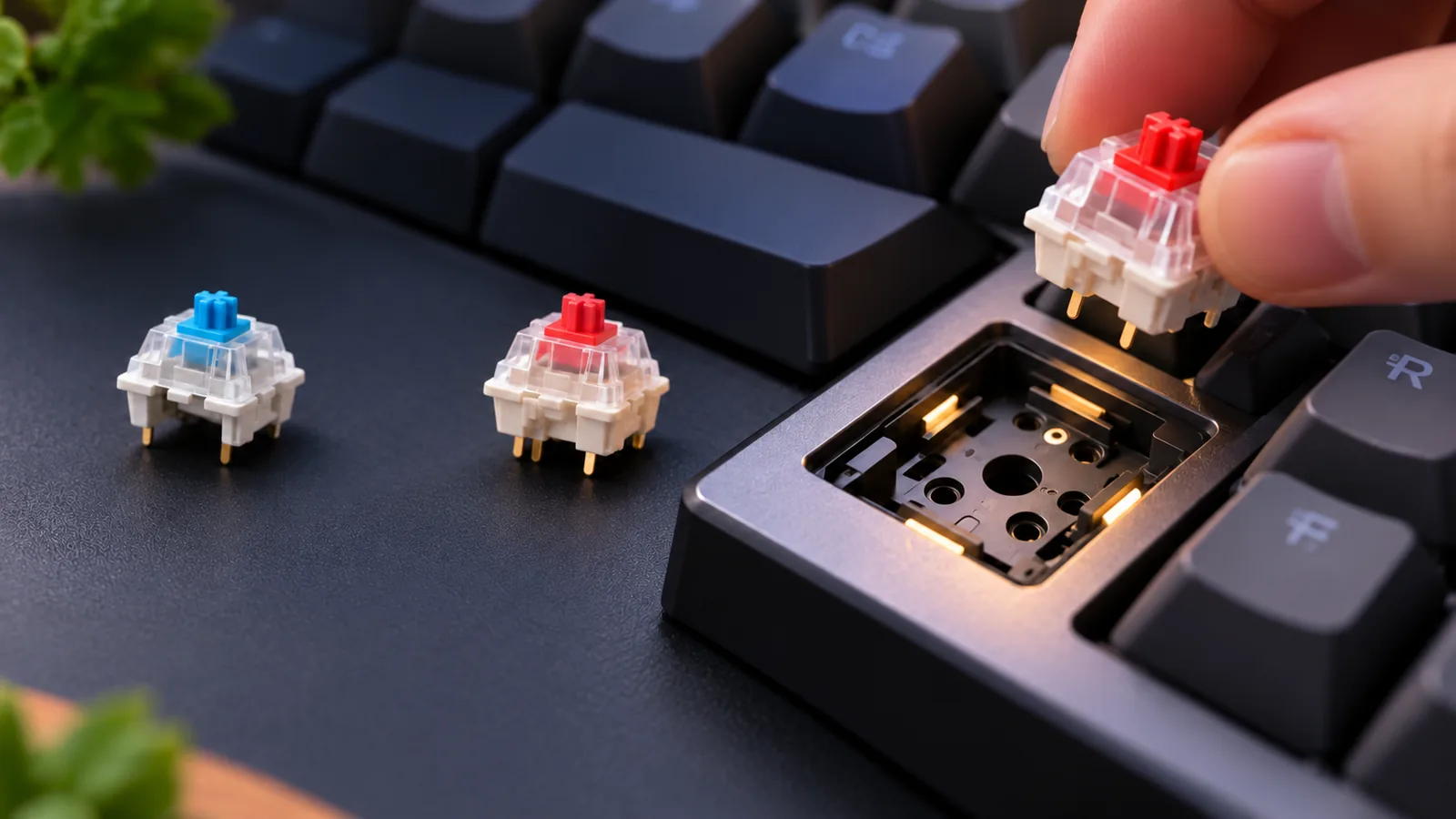
- Minor Adjustments: If you primarily seek to change keycaps or swap switches on a hot-swappable board, modifying a pre-built keyboard might suffice. This offers immediate satisfaction with less commitment.
- Moderate Personalization: Kits provide a balance, offering pre-selected components that fit together, requiring assembly but reducing the complexity of individual part sourcing.
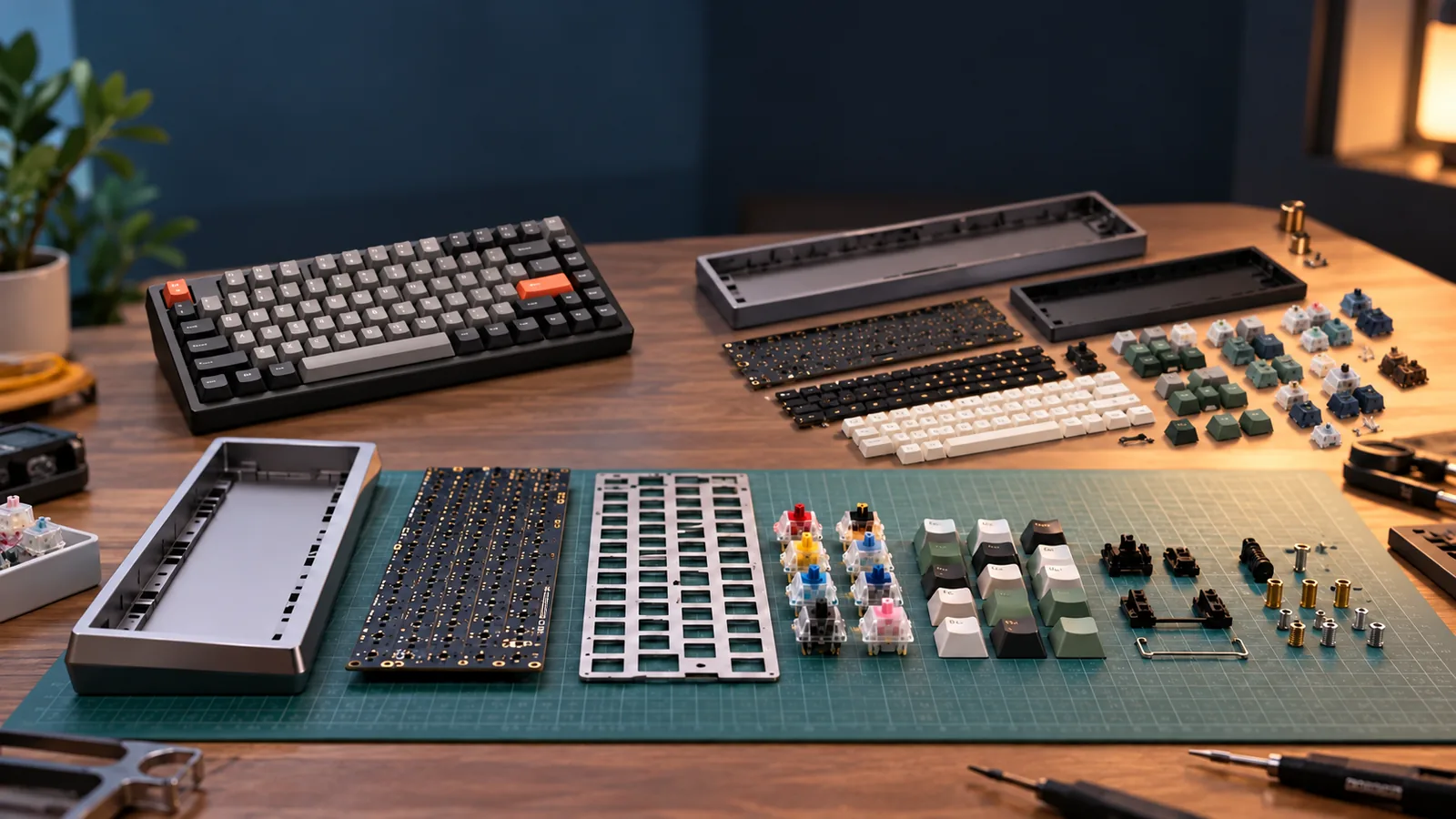
- Full Control: A complete build from scratch offers unparalleled control over every component, from the PCB and case to the switches and stabilizers. This path is for those who know exactly what they want and enjoy the research and assembly process.
-
Time and Effort Investment: Building a custom keyboard requires research into compatible parts, sourcing components from various vendors, and dedicating time to assembly. This is a significant undertaking compared to purchasing a ready-to-use product.
-
Budget Considerations: While some custom parts can be budget-friendly, a fully custom build often entails a higher investment than many pre-built mechanical keyboards due to the specialized nature of components and the potential for multiple iterations to achieve the desired feel.
-
Technical Aptitude: Assembling a custom keyboard may involve soldering (for non-hot-swappable PCBs), lubricating switches, and troubleshooting potential issues. A willingness to learn and engage with technical details is beneficial.
-
Risk Tolerance: The custom keyboard journey can involve unforeseen challenges, such as component incompatibility, assembly errors, or parts not meeting expectations. The reward is a unique, highly personalized device, but the path may require patience and problem-solving.
Custom-Mechanical Evidence buying criteria
Deciding to pursue a custom mechanical keyboard involves evaluating several factors beyond those of pre-built options. This decision framework helps assess if the custom path aligns with your preferences and readiness for the associated commitments.
-
Features: Unparalleled Personalization Custom builds offer granular control over every aspect of the keyboard's performance and aesthetics. This includes selecting specific switch types for desired typing feel and sound, choosing unique keycap profiles and materials, and picking cases that match your aesthetic vision. The ability to fine-tune components like plates, PCBs, and stabilizers allows for a highly personalized typing experience that is difficult to achieve with off-the-shelf products.
-
Cost: An Investment in Specificity The financial outlay for a custom mechanical keyboard typically exceeds that of most pre-built models. Expect an investment ranging from $250 to over $500, depending on component choices and desired features. This cost encompasses the PCB, case, plate, switches, stabilizers, keycaps, and potentially specialized tools. The value proposition lies in achieving a specific, tailored outcome that justifies the higher price point.
-
Risk: Complexity and Compatibility Engaging with custom builds introduces several potential risks. Sourcing components from various vendors can lead to compatibility challenges, requiring careful research to ensure parts fit together correctly. Assembly itself demands patience and attention to detail; errors can result in issues such as key wobble, sticky keys, or non-functional components. Beginners may find the initial learning curve steep, making fully assembled kits or hot-swappable pre-builts a less risky entry point.
-
Fit: For the Discerning Enthusiast A custom mechanical keyboard is best suited for individuals who:
- Have specific typing preferences not met by standard keyboards.
- Enjoy the process of research, assembly, and modification.
- Seek a unique aesthetic or acoustic profile.
- Are prepared for the time commitment involved in sourcing and building.
If you are new to mechanical keyboards or prioritize immediate functionality over deep customization, a pre-built or barebones kit might offer a more appropriate starting point.
Custom-Mechanical Use Case Options and Use Cases
The journey into custom mechanical keyboards offers varying levels of engagement, each suited to different user goals, technical comfort, and desired outcomes. Understanding these distinct paths can help align your expectations with the effort and investment required, ensuring the custom keyboard experience meets your specific needs.
Customization Through Upgrades
This path is ideal for individuals new to mechanical keyboards or those seeking a taste of customization without the full commitment of a ground-up build.
- Scenario: A user has a pre-built mechanical keyboard but wants to personalize its look or feel.
- What it involves: Primarily involves swapping out easily replaceable components like keycaps for a new aesthetic or hot-swappable switches for a different typing sensation. This approach requires minimal tools and technical knowledge.
- Pros:
- Low Barrier to Entry: Immediate use of a functional keyboard.
- Gradual Learning: Allows for experimentation with different components without complex assembly.
- Cost-Effective Initial Steps: Can be a more budget-friendly way to begin customizing.
- Cons:
- Limited Customization Depth: Core elements like the PCB, case material, or mounting style are fixed.
- Potential Compatibility Issues: Not all pre-built keyboards support hot-swappable switches, and keycap profiles vary.
Assembling a Keyboard Kit
For those who enjoy a hands-on project and desire more control over their keyboard's characteristics, a kit provides a structured building experience.
- Scenario: A buyer wants a specific typing feel or acoustic profile and enjoys the process of assembly, but prefers pre-vetted component compatibility.
- What it involves: Purchasing a kit that typically includes a case, PCB (printed circuit board), and plate. Users then select and install their preferred switches, keycaps, and stabilizers. Some kits may require soldering, while others are hot-swappable.
- Pros:
- Balanced Control: Offers significant choice in switches, keycaps, and stabilizers, influencing feel and sound.
- Guided Compatibility: Components within the kit are designed to work together, reducing potential fitment issues.
- Rewarding Experience: Provides the satisfaction of building a functional device.
- Cons:
- Assembly Required: Demands some time and attention to detail.
- Component Sourcing: While the core kit is provided, switches and keycaps must still be chosen and purchased separately.
- Learning Curve: May introduce new concepts like stabilizer tuning or switch lubrication.
Building from Individual Components
This is the most comprehensive and flexible path, favored by enthusiasts seeking ultimate control over every aspect of their keyboard.
- Scenario: An experienced user has precise requirements for layout, mounting style, material, and firmware, and is willing to invest significant time in research and sourcing.
- What it involves: Selecting each component individually—case, PCB, plate, switches, stabilizers, keycaps, and sometimes even custom firmware. This path often requires soldering, advanced assembly techniques, and a deep understanding of compatibility.
- Pros:
- Unparalleled Customization: Every element can be chosen to meet specific aesthetic, ergonomic, or performance needs.
- Unique Combinations: Allows for configurations unavailable in pre-built or kit forms.
- Deep Understanding: Fosters a thorough knowledge of keyboard mechanics and electronics.
- Cons:
- Highest Complexity: Requires extensive research, technical skill, and troubleshooting ability.
- Potential for Incompatibility: Ensuring all individual components work together can be challenging.
- Time and Cost Intensive: Sourcing parts can be time-consuming, and individual components may accumulate to a higher total cost.
Custom-Mechanical Trade-Offs mistakes to avoid
Embarking on a custom mechanical keyboard build offers unparalleled personalization, but it also introduces specific risks and potential missteps that pre-built solutions often bypass. Understanding these trade-offs and common pitfalls before committing can prevent frustration and unexpected costs, ensuring your investment aligns with your expectations.
A primary mistake is underestimating the complexity and total investment. Custom builds require patience for researching compatible parts, sourcing components from various vendors, and dedicating time to assembly. Overlooking component compatibility—such as ensuring your chosen PCB fits your case and plate, or that your switches are compatible with your PCB's sockets—can lead to unusable parts. Similarly, rushing the process or skipping research on component quality can result in a keyboard that doesn't meet the desired feel or sound.
To mitigate these risks, implement quality checks throughout the process. Before soldering or fully assembling, test your PCB's functionality, including all key switches and any RGB lighting, using a simple key tester or software. Inspect switches for bent pins upon arrival, which can cause key registration issues. When installing stabilizers, test them for rattle or stickiness before mounting keycaps, as tuning them later can be more difficult.
Finally, consider return policies for individual components. Unlike a single pre-built unit, custom parts often come from specialized vendors with varying return stipulations. Once components are soldered, modified, or fully assembled, they may no longer be eligible for return or exchange. Always retain original packaging and documentation, and familiarize yourself with each vendor's policy, especially regarding restocking fees or return shipping costs for niche parts.
Custom Mechanical Keyboard FAQ
Navigating the custom mechanical keyboard landscape often raises fundamental questions about investment, available choices, and potential pitfalls. Addressing these concerns upfront can help shape realistic expectations and guide your decision-making process.
What is the typical cost of a custom mechanical keyboard?
The cost of a custom mechanical keyboard varies significantly based on the quality and type of components selected. While a basic, fully custom build can start around $250, more enthusiast-grade components and specialized parts can push the total investment to $500 or more. This often exceeds the price point of many pre-built mechanical keyboards due to the individualized sourcing and specialized nature of each component. Factors influencing price include:
- Case Material and Design: Entry-level plastic or aluminum cases differ greatly from high-end milled aluminum or exotic materials.
- PCB Features: Hot-swappable PCBs, advanced RGB lighting, and programmable features add to the cost.
- Switch Selection: Premium switches or those requiring manual lubrication contribute to higher expenses.
- Keycap Sets: High-quality PBT or ABS keycaps, especially those with unique designs or double-shot legends, can be a significant portion of the budget.
- Stabilizers: Upgraded or tuned stabilizers require additional investment beyond basic options.
Are there alternatives to building a custom mechanical keyboard from scratch?
Yes, several alternatives offer varying degrees of customization without requiring a full build from individual components. These options can be suitable for those new to the hobby or who prefer a less intensive process:
- Pre-built Hot-swappable Keyboards: Many manufacturers offer fully assembled keyboards with hot-swappable sockets. This allows users to easily change switches and keycaps without soldering, providing significant personalization.
- Keyboard Kits: These kits typically include a case, PCB, and plate, often pre-assembled, leaving the user to choose and install switches and keycaps. This reduces the complexity of sourcing individual parts while still offering a hands-on experience.
- Modifying Existing Keyboards: Even non-hot-swappable pre-built keyboards can be customized by replacing keycaps, adding sound-dampening foam, or performing basic modifications like lubing stabilizers.
What common mistakes should I avoid when planning or buying for a custom build?
Embarking on a custom mechanical keyboard project involves several considerations beyond simply acquiring parts. Avoiding these common mistakes can prevent frustration and ensure a more satisfying outcome:
- Underestimating Component Compatibility: Not all cases, PCBs, and plates are universally compatible. Thoroughly research the compatibility of each component before purchase to prevent assembly issues.
- Neglecting Personal Preference Research: Before investing in switches or keycaps, understand your preferred typing feel, sound profile, and aesthetic. Using switch testers or trying different keycap profiles can inform these choices.
- Overlooking Stabilizer Quality and Tuning: Stabilizers are crucial for the feel and sound of larger keys (spacebar, shift, enter). Skimping on quality or neglecting to properly tune them can lead to a less satisfying typing experience.
- Budget Creep: It's easy for initial budget estimates to expand as you discover more premium components or aesthetic upgrades. Define a clear budget early and stick to it to avoid unexpected expenses.
- Impatience with Sourcing: Custom keyboard components often come from various vendors, sometimes with lead times for group buys or international shipping. Plan for potential delays in acquiring all necessary parts.
- Ignoring the Build Process Complexity: While rewarding, assembling a custom keyboard can be intricate. Be prepared for the time commitment and potential need for troubleshooting, especially if soldering is involved.
Custom-Mechanical-Pick buying path
Having explored the fundamental components, compatibility considerations, and various build paths for custom mechanical keyboards, your next step hinges on your personal comfort level, desired involvement, and specific aspirations. There isn't a single "best" path; rather, the optimal route aligns with your readiness to engage with the customization process.
To navigate your journey effectively, consider the following decision points and their corresponding next actions:
-
If you are new to custom keyboards or prefer a lower barrier to entry: Your ideal starting point is often a hot-swappable pre-built mechanical keyboard. This allows you to experience different switch types and keycap profiles by simply swapping them out, without the need for soldering or complex assembly. This approach minimizes initial investment in tools and time, providing a practical way to explore preferences.
- Next Action: Focus on resources detailing how to choose a pre-built mechanical keyboard with hot-swappable capabilities. Explore guides on various mechanical switch characteristics and keycap profiles to understand their impact on typing feel and sound.
-
If you are comfortable with light assembly and desire more control than a pre-built: A mechanical keyboard kit offers a balanced approach. These kits typically include a PCB, plate, and case, with users adding their preferred switches and keycaps. This path provides a curated selection of compatible components, reducing the complexity of sourcing individual parts while still allowing for significant personalization.
- Next Action: Research comprehensive kit reviews and assembly guides. Pay close attention to the included components, the level of assembly required, and the customization options available within specific kits. Learning about basic stabilizer tuning and switch lubing can enhance your build experience.
-
If you have a clear vision for your ideal keyboard and enjoy the building process: Embarking on a full custom build from individual components offers unparalleled control over every aspect of your keyboard. This path requires more extensive research into component compatibility (e.g., PCB, plate, case, switches, stabilizers, keycaps) and a willingness to engage in detailed assembly, potentially including soldering if your chosen PCB is not hot-swappable. This is often the choice for enthusiasts seeking unique combinations unavailable in kits or pre-builts.
- Next Action: Dive deep into guides on individual mechanical keyboard components to understand their specifications and how they interact. Comprehensive build tutorials that cover soldering techniques (if necessary), stabilizer installation, and firmware flashing will be essential to successfully assemble your custom creation.